


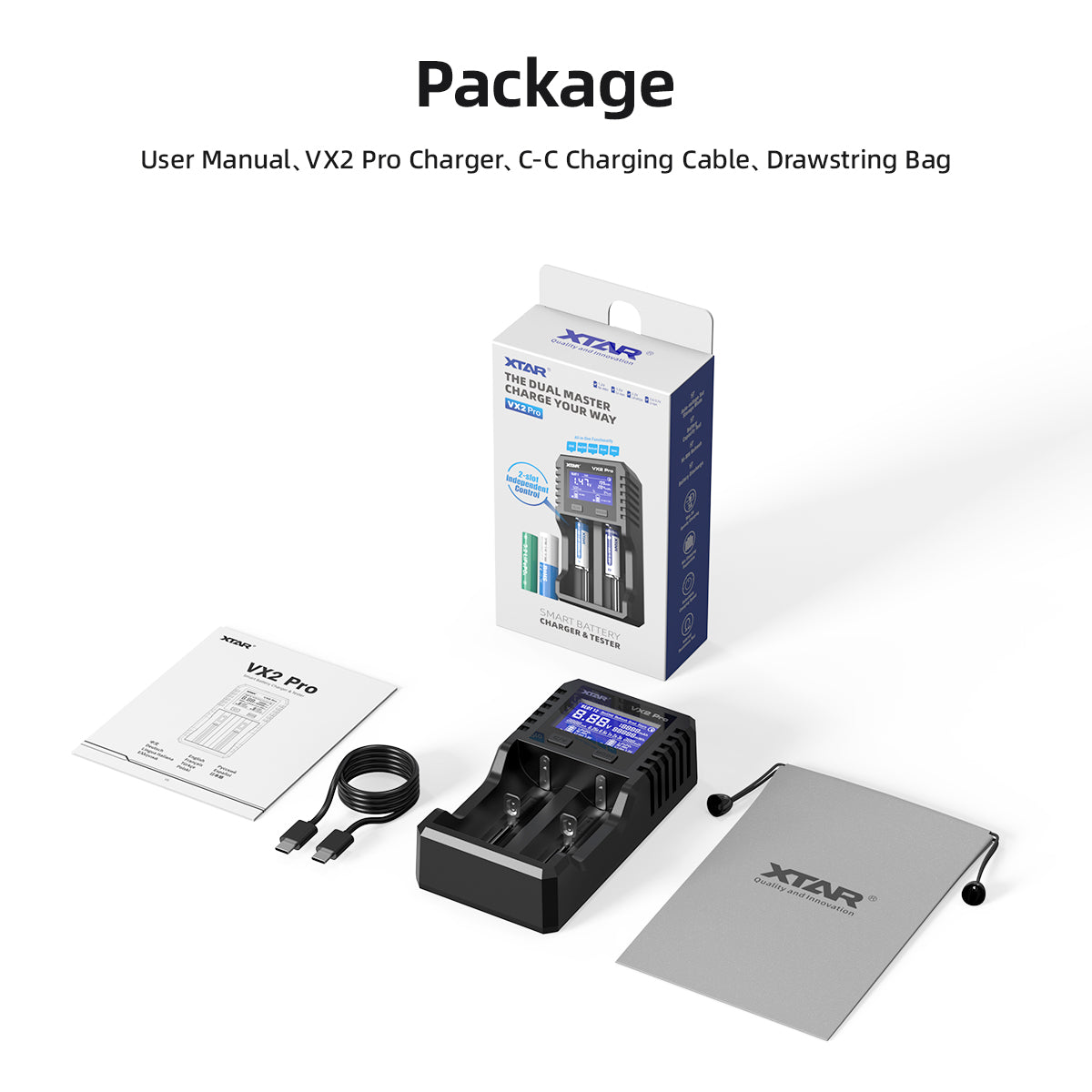


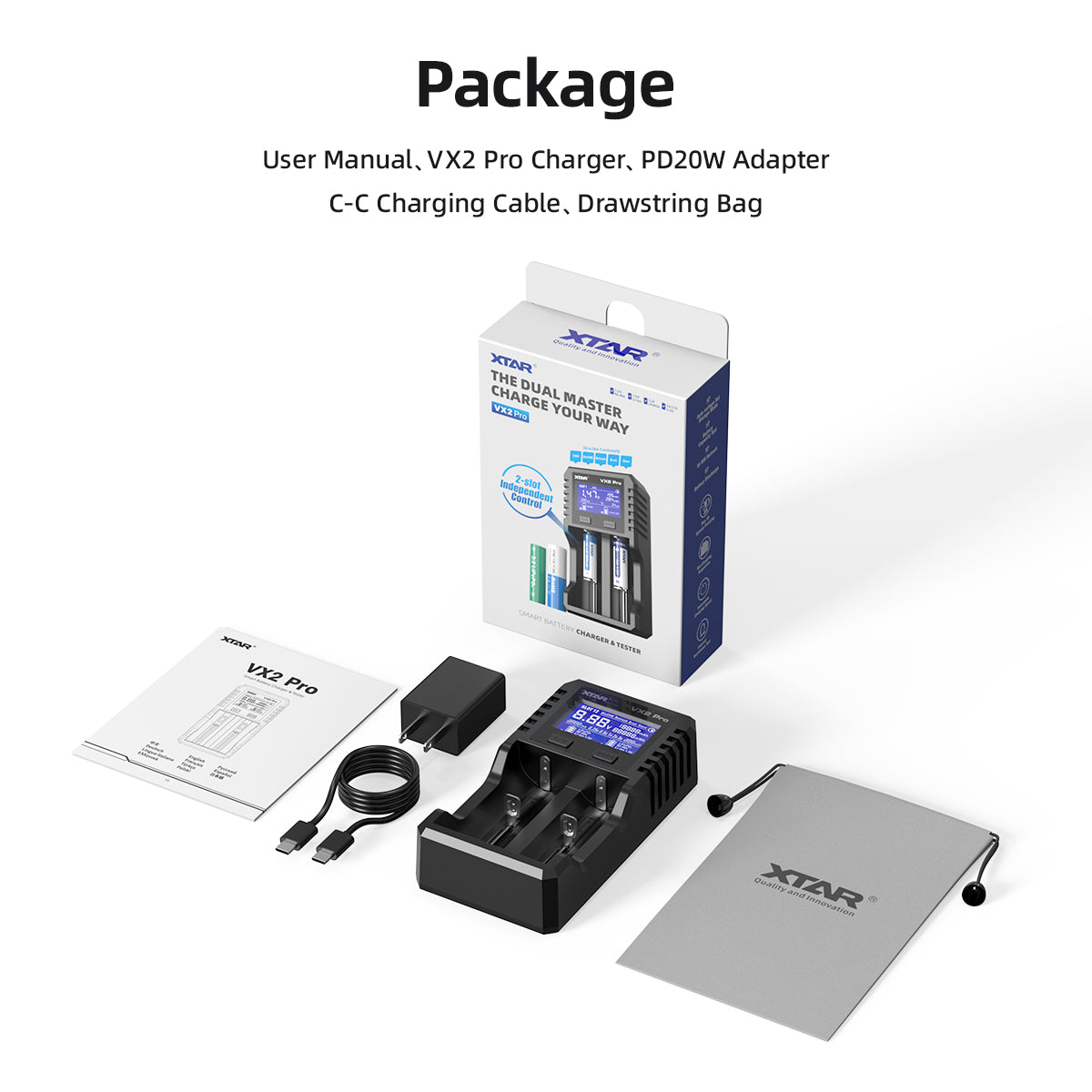


Q1: Can the charger charge and discharge simultaneously, and can different current settings be applied to different battery slots?
A: Yes, the channels operate completely independently. You can set different charging currents for each slot based on the battery capacity, or assign different functions to each slot — for example, capacity testing in one slot and reconditioning in the other.
Q2: What is the suitable charging current for batteries with different capacities?
A: When customizing the charging speed for different battery types and capacities, please follow the recommended C-rate guidelines:
Charging Current = Capacity × C-rate
-
3.6V Li-ion batteries: 0.5C
-
3.2V LiFePO4 batteries: 0.2C–0.5C
Ni-MH batteries: 0.1C–0.3C
(Note: VX2 Pro charges Ni-MH batteries at a fixed 0.5A, which is approximately 0.2C for AA batteries.)
Q3: Which power adapter is recommended for fast charging?
A: We recommend using a PD20 adapter (20W, with PD 12V protocol) to achieve the following maximum output: 3A × 1 channel or 2A × 2 channels or 1A × 2 channels
- With an 18W adapter: 1.6A × 2 channels
- With a 5V/2A adapter: 2A × 1 channel or 1A × 2 channels
Q4: What happens if the charger misidentifies a 3.6V Li-ion battery as a 3.2V LiFePO4 battery or vice versa?
A: Ni-MH and 1.5V Li-ion batteries are not affected. However:
-
A 3.6V Li-ion battery charged in LiFePO4 mode will not be fully charged.
-
A 3.2V LiFePO4 battery charged in standard mode may be overcharged.
Always double-check the charging mode when using LiFePO4 batteries.
Q5: What is the memory function of the charger?
A: The charger has a built-in memory function that retains the selected mode even after power loss.
For example, if you manually select LiFePO4 mode (with any additional function), the charger will still be in LiFePO4 mode after restarting.
Be sure to adjust the mode when switching between 3.6V and 3.2V batteries.
Q6: What are the differences between Capacity Test, Storage, and Reconditioning modes?
A:
-
-
Capacity Test: Involves three stages — charge, discharge, and recharge. This process takes a relatively long time.
-
Storage Mode: Charges or discharges the battery to a storage voltage (applies to 3.6V/3.2V/1.2V batteries). The closer the battery is to the storage voltage, the less time it takes.
For 1.5V Li-ion batteries, the process includes discharge-charge-discharge and takes over 10 hours. -
Reconditioning Mode: Involves discharge-charge cycles (up to 4 times, depending on battery condition). Older or weaker batteries may require more time.
-
I run a small electronics repair shop in Manila, and the XTAR VX2 Pro has become an essential tool on my workbench. The ability to test battery capacity and internal resistance in one compact unit saves me both time and bench space. I use it daily to check customer batteries and to verify replacements before installing them. The NiMH refresh function is particularly useful for repairing old cordless phones and toys—I've recovered dozens of batteries that other shops would have just replaced. At $29.90, it's an incredible value for a professional-grade tool. The USB-C PD input is also great for use during power outages, which unfortunately happen here.
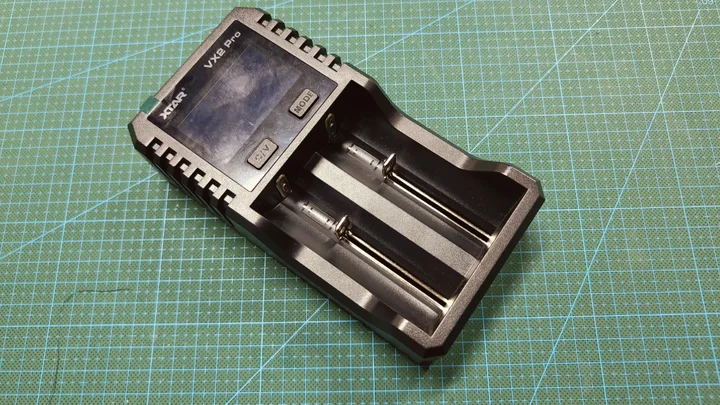
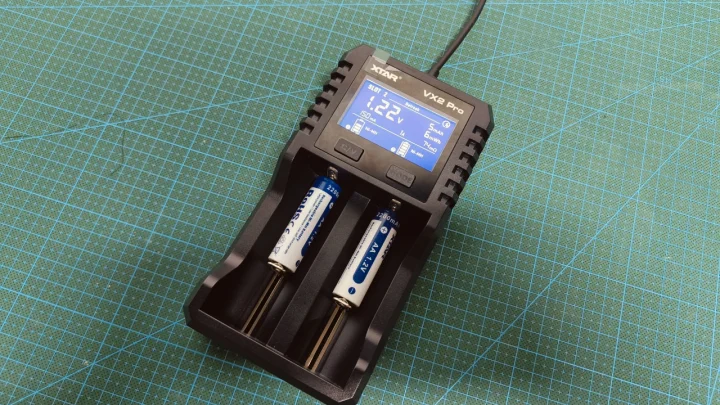
Compré el XTAR VX2 Pro hace tres meses y estoy muy satisfecho. Lo uso principalmente para mis linternas tácticas y mi equipo de fotografía. La función de clasificación me ha permitido verificar que varias de mis baterías 18650 ya no rinden como antes – algunas han perdido hasta un 30% de su capacidad original. El modo de almacenamiento es perfecto para cuando guardo las baterías durante largos períodos; simplemente las pongo en el cargador, selecciono “Storage” y cuando vuelvo están a 3,6V. La construcción es robusta y el peso de 205g se siente bien. El único inconveniente es que las patas de plástico resbalan un poco, pero es un problema menor. Por 29,90 dólares, es una ganga.
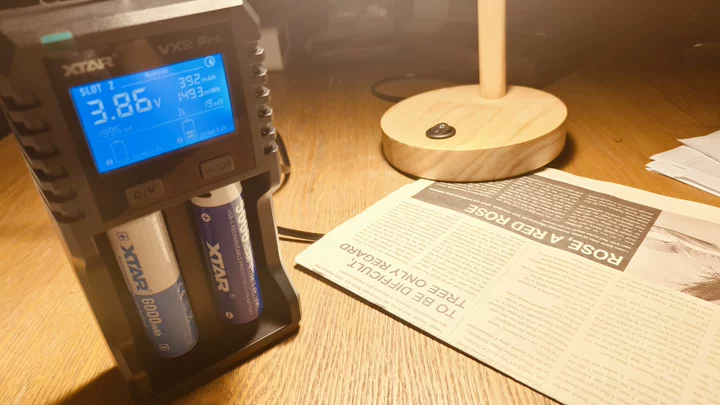
I use the XTAR VX2 Pro mainly for my collection of vintage electronic devices that run on AA and AAA batteries. The refresh function has been a lifesaver—I've restored countless old NiMH cells that were destined for the trash. The grading function is also useful for checking the health of the Li-ion cells I use in my portable radio equipment. The charger is well-built and the screen is clear. I like that it can run off a standard USB power bank, which is handy during the frequent power outages we experience in São Paulo. The only minor issue is that the plastic feet slide on smooth surfaces—I solved this by placing it on a small rubber mat.
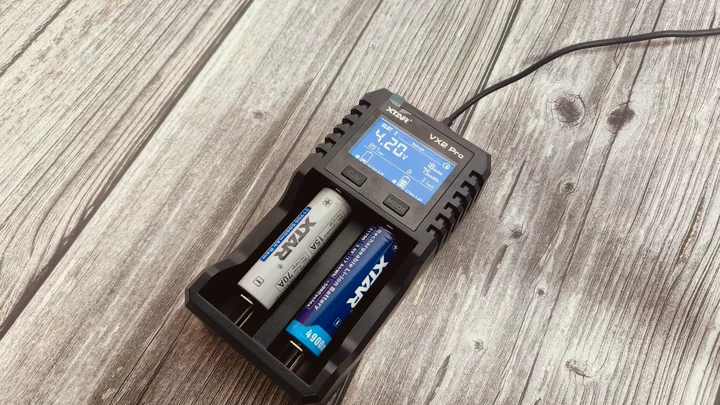
As a physics teacher, I use the XTAR VX2 Pro in my classroom to demonstrate battery chemistry and capacity testing to my students. The clear LCD display and intuitive controls make it perfect for educational purposes. We've done experiments comparing the actual capacity of different brands of AA batteries, and the results are always eye-opening for the students. The refresh function works well for reviving old NiMH cells that we use in classroom equipment. The multilingual manual is helpful since my students come from diverse backgrounds. This is a wonderful teaching tool that also happens to be a great everyday charger.
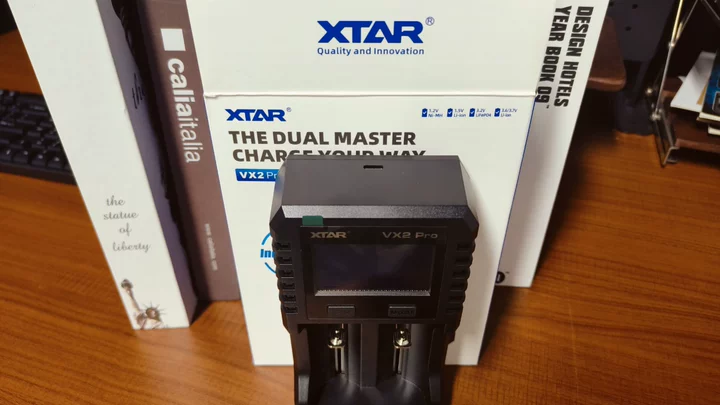
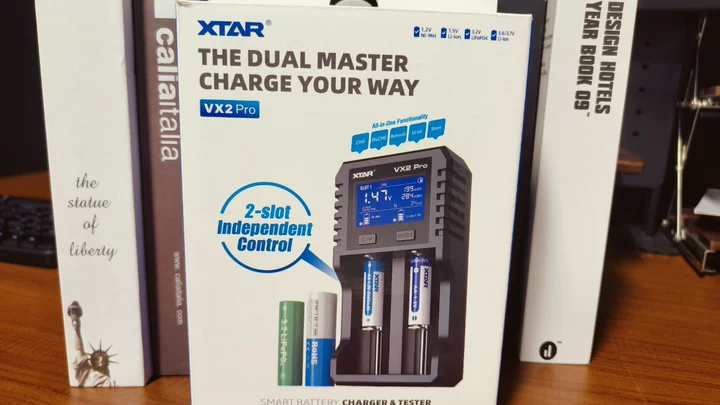
After reading ZDNET's review, I decided to buy the VX2 Pro, and I'm so glad I did. I have a drawer full of “mystery” batteries—cells I've accumulated over the years with no idea of their health. The grading function helped me sort through them all in one afternoon. About half turned out to still be in good shape (capacity within 80% of rated), and the other half are now properly recycled. The refresh function for NiMH is a lifesaver for my kids' toys—I no longer need to buy new AA batteries every month. The charger is small, well-built, and the screen is a joy to use.
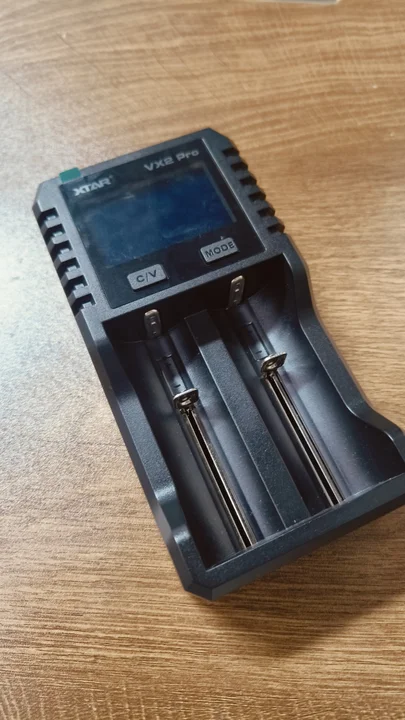
The VX2 pro is a professional and comprehensive charger. After receiving it, I used it to charge my batteries and test its various functions. It is perfectly compatible with the batteries I have. I really like its storage function, which allows me to store extra batteries in a safer manner.
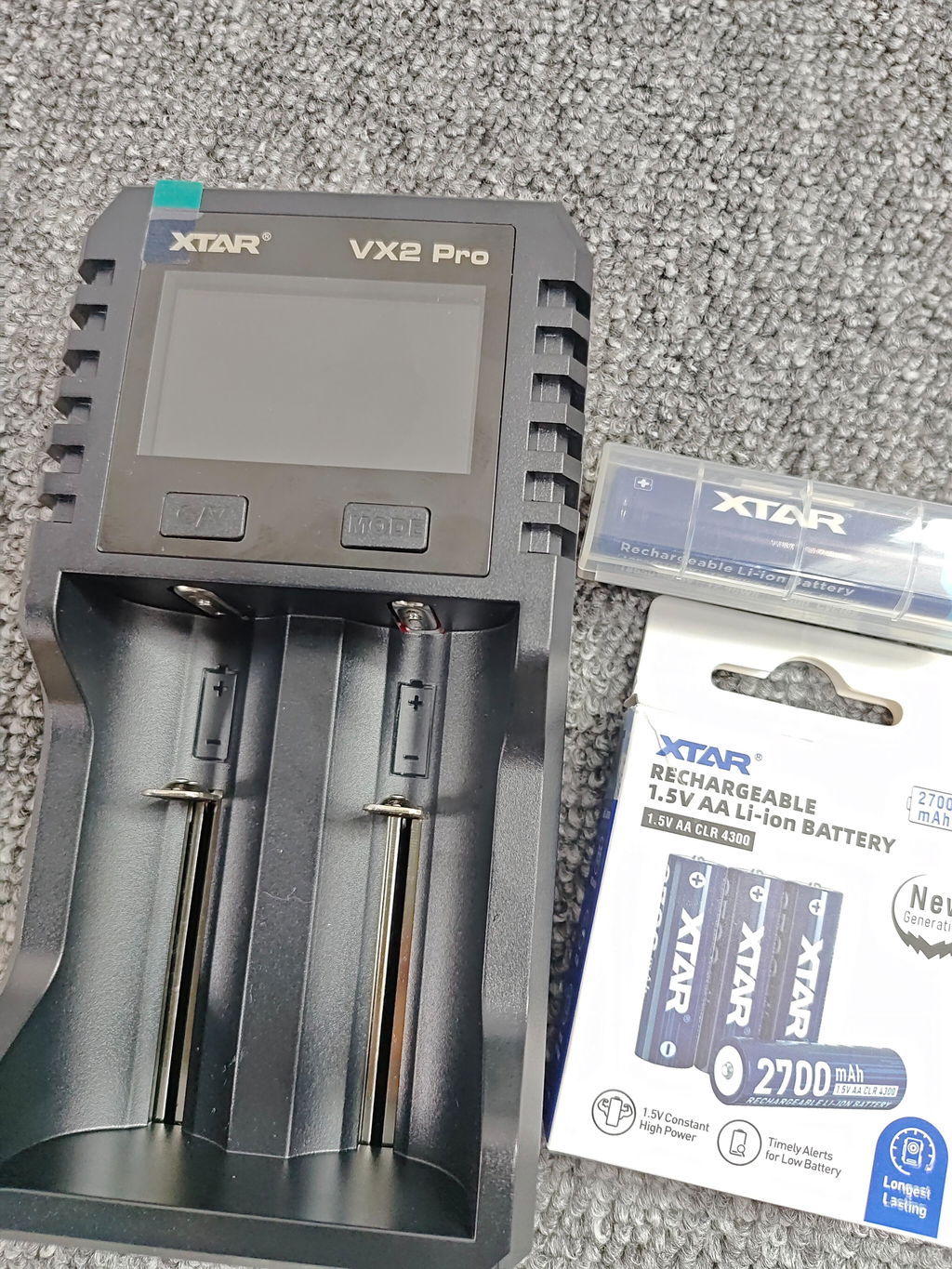
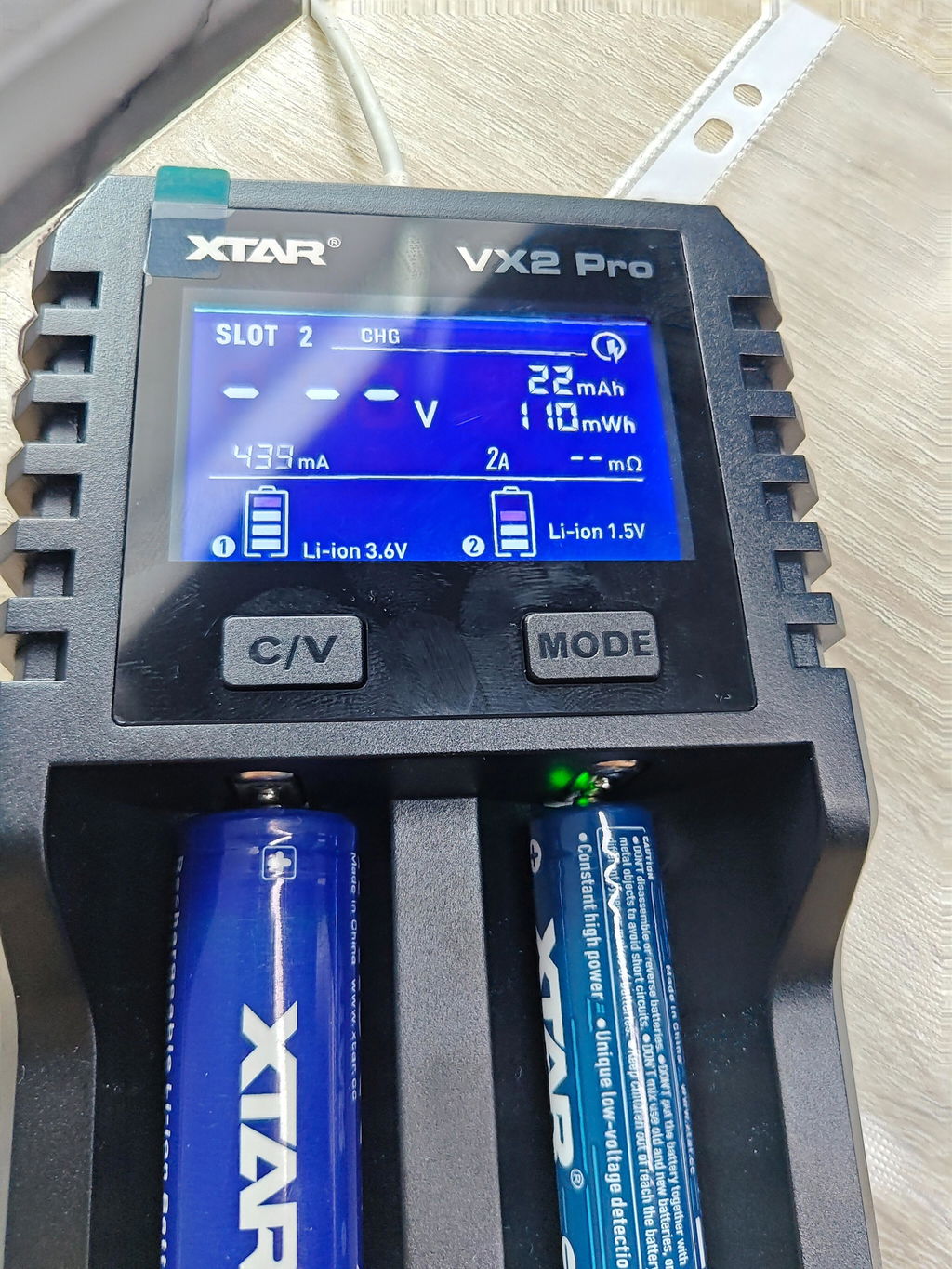
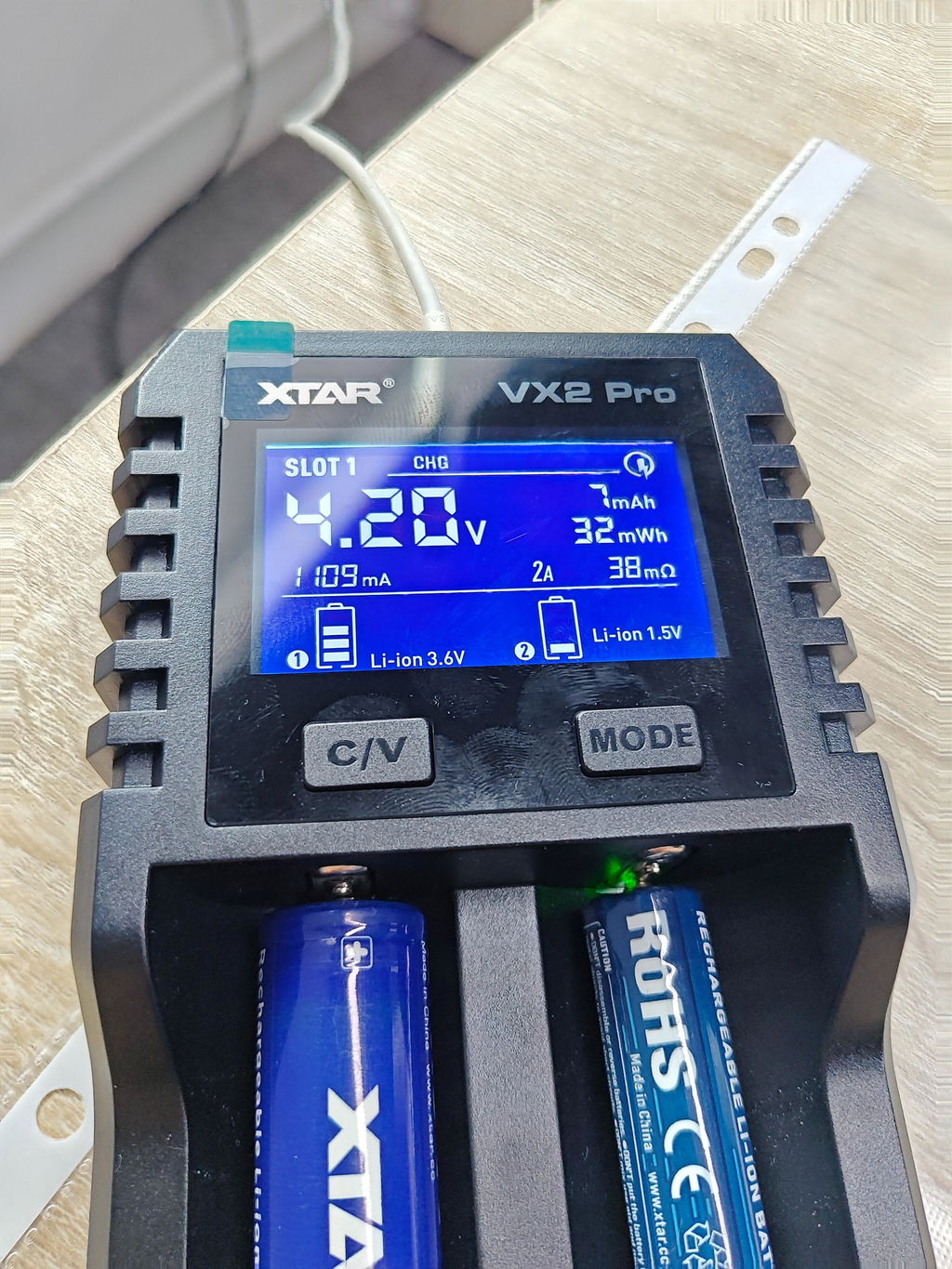
great working super
I have owned 3 Xtar chargers now, VX2P being the best. I have tested Charge, Grade and Restore modes on 1.5v Li & 1.2v NiMH, respectively. The Restore mode actually did improve on the performance of some 15-year-old Eneloop cells. I have not tested Store mode.
The Grade mode is very consistent. I ran 3 pairs of 1.2v NiMH AAs repeatedly; Capacity was determined as ~2000 +/- 20 mah, i.e. 1% precision - outstanding.
VX2 Pro also revealed several of my old Eneloops had degraded with high internal resistance, >90ohms, and IIRC up to 236 ohms. The internal resistance feature seems to be less precise, in that 2 or 3 "bad" cells measured 236 ohms - not one at say, 200 another at 220 and another at 240, but all 3 at 236 ohms. I would like to understand this better. The high-ohm cells also take longer to complete in Restore mode and ultimately end at 1500-1750 ohms, not ~2000 ohms achieved on low resistance cells (20-50 ohms), so the 236 ohm readings do seem to indicate a dying cell.
Easy to use, functions well straight off the bat, instruction manual was clear and in several languages, all good
I originally bought the VX2 Pro for my flashlights since I'm an avid camper. But it turned out to be much more useful than I expected. The NiMH refresh function actually brought back two old Eneloop Pro batteries that my other chargers had given up on—they were reading over 200mΩ internal resistance before, and after the refresh cycle, they're back under 100mΩ. The charger is compact enough to throw in my backpack for trips, and the USB-C PD input means I can power it from my portable power station. My only minor complaint is that the plastic feet slide a bit on smooth surfaces.
Versatile bit of kit, although a bit of overkill for what I need.
I'm a professional photographer, and I use a lot of battery-powered LED panels and flashes that run on 18650 and AA cells. The VX2 Pro is now a permanent fixture on my studio desk. The capacity grading function lets me quickly sort through my battery inventory before every shoot, ensuring I never have a cell fail mid-session. The internal resistance measurement is also valuable—I can spot cells that are nearing the end of their life and replace them proactively. The charger is compact, looks professional on the desk, and the LCD screen is bright and informative. Worth every penny.
333
2323423
I'm a retired electrical engineer, so I'm picky about battery chargers. The VX2 Pro genuinely impressed me. The internal resistance measurement is a useful diagnostic tool, though I've noticed it varies by a few milliohms each time you reinsert the same cell—so take it as an approximation rather than an absolute value. The independent slot architecture is well-designed: I ran a grading cycle on a Li-ion cell in slot 1 while simultaneously charging a LiFePO4 cell in slot 2, and both completed without interference. The manual covers eleven languages, which shows Xtar cares about international users. Solid product at a fair price.
I've been using the XTAR VX2 Pro for about three months now, and it has completely replaced my old four-slot charger. The build quality is excellent—it feels solid in the hand at just 205 grams. What I appreciate most is the independent slot control, which lets me grade an 18650 in slot one while refreshing an old Eneloop in slot two at the same time. The LCD screen is bright and easy to read, even in dim lighting. The capacity grading function revealed that two of my “3000mAh” 18650s were actually delivering only around 2400mAh—eye-opening! At $29.90, this is an absolute bargain for what it offers.
J'utilise le XTAR VX2 Pro depuis environ deux mois et il a complètement remplacé mon ancien chargeur quatre baies. Ce qui me plaît le plus, c'est la fonction de classement qui mesure la capacité réelle des batteries. J'ai découvert que certaines de mes 18650 annoncées à 3500mAh ne dépassaient pas 2900mAh réels – ce qui est très utile pour repérer les cellules défectueuses. La fonction de rafraîchissement pour les NiMH est également excellente : elle a réussi à réactiver deux vieilles piles Eneloop que je pensais bonnes à jeter. Le port USB-C est très pratique, je peux l'alimenter avec le même chargeur que mon ordinateur portable. Le manuel est disponible en français et dans dix autres langues. Je recommande vivement ce produit à tous ceux qui veulent comprendre l'état réel de leurs batteries.
I'm a drone pilot and photographer, and I rely on the VX2 Pro to keep all my gear batteries in top condition. The grading function is essential for my workflow—before every major shoot, I test all my Li-ion cells to make sure none have degraded significantly. I've caught two batteries that were reading below 70% capacity and would have likely failed mid-flight. The internal resistance measurement is also useful for spotting cells that are on their way out. The charger is compact enough to fit in my camera bag, and the USB-C port means I can power it from my laptop or a power bank when shooting on location.
I was looking for a compact two-bay charger with USB-C and advanced features, and the VX2 Pro delivered on all fronts. The ability to set different charging currents for each slot independently is a game-changer—I can fast-charge a 21700 at 3A in one slot while gently charging a small 14500 at 0.5A in the other. The discharge function at 300mA is useful for bringing cells down to a specific voltage without doing a full cycle. The internal resistance readings are a helpful diagnostic, though I treat them as indicative rather than precise. Build quality is solid, and the included storage pouch is a nice touch for travel. Shipping from the UK warehouse was fast, arriving in just three days.
I bought the VX2 Pro after my old charger died, and it's been a significant upgrade. The independent slot design is brilliant—I can charge a 21700 for my torch in one slot while simultaneously running a capacity test on an old 18650 in the other. The 3A fast charging is genuinely fast when paired with a 20W PD adapter; I can top up a partially depleted 21700 in under two hours. The charger runs warm during high-current charging but the ventilation slots on the back and sides keep temperatures reasonable. The included drawstring bag is perfect for keeping everything together when travelling. Solid product, highly recommended.
I bought the XTAR VX2 Pro to manage the batteries for my collection of EDC flashlights. In Singapore's humid climate, proper battery storage is critical, and the storage mode has been invaluable—it automatically brings my Li-ion cells to 3.6V for long-term storage, which reduces stress on the battery and extends its lifespan. The grading function is also excellent for detecting counterfeit or degraded cells. I tested a batch of so-called “Panasonic” 18650s I bought online and found two that were clearly re-wrapped fakes with only 1500mAh actual capacity. This charger paid for itself in that one session alone.
Je suis une utilisatrice quotidienne de piles rechargeables pour tous mes appareils ménagers—télécommandes, souris, horloges, lampes de poche. Le XTAR VX2 Pro a transformé ma façon de gérer les piles. La fonction de rafraîchissement NiMH redonne vie aux vieilles piles qui semblaient mortes; j'ai récupéré au moins une dizaine de piles Eneloop que j'allais jeter. Le chargeur est compact et se range facilement dans un tiroir de cuisine. Le seul petit bémol est que les piles AAA ont parfois besoin d'être légèrement soulevées pour un bon contact, mais c'est un détail mineur. Un excellent achat que je recommande à tous les foyers.
J'ai acheté le XTAR VX2 Pro principalement pour tester la capacité de mes batteries 18650 que j'utilise dans mes lampes frontales de randonnée. Après quelques mois d'utilisation, je suis très satisfait. La fonction de classement est précise et m'a permis d'identifier deux batteries qui avaient perdu plus de 40% de leur capacité—elles auraient pu me lâcher en pleine randonnée. Le mode stockage est également très utile : je charge mes batteries à 3,6V avant de les ranger pour l'hiver. L'écran LCD est clair, même en plein soleil, et les boutons sont simples à utiliser. Le seul point négatif : les pieds en plastique glissent sur certaines surfaces, mais c'est un détail. Un excellent rapport qualité-prix.