By Hank | 17 April 2023 | 0 Comments
The Ultimate Guide to Off-Grid Living
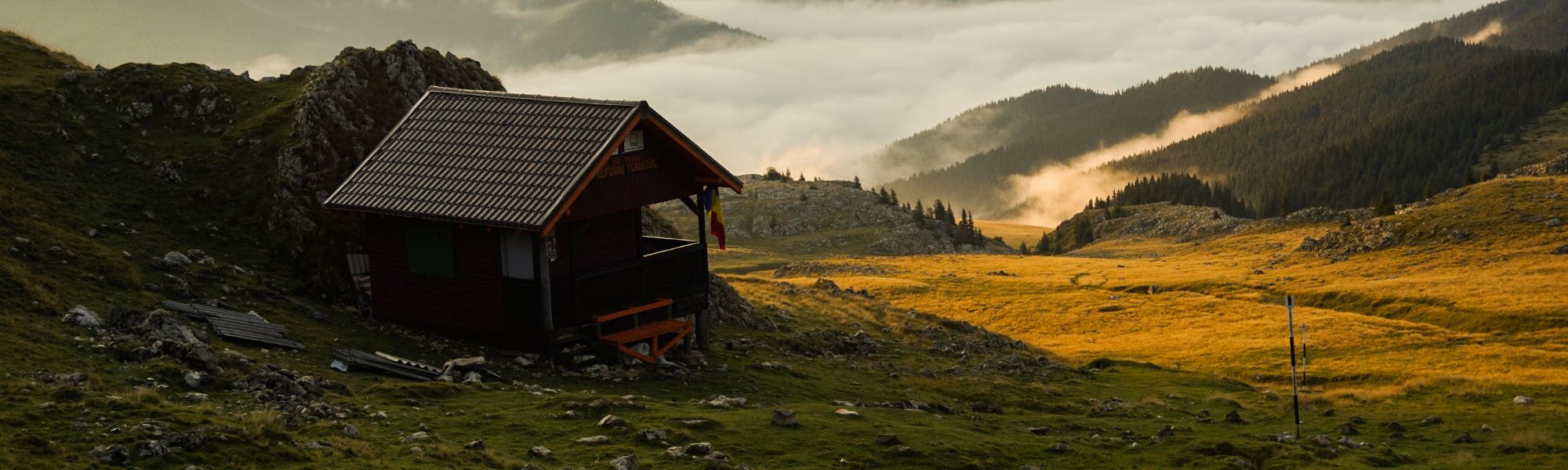
Howdy, fellow off-grid living enthusiasts! Are you tired of the hustle and bustle of city life? Do you dream of living off the land and being self-sufficient? Well, you've come to the right place! My name is Hank, and I've been living off-grid in the wilds of New England for the past three years. It's been one heck of an adventure, let me tell you. From fending off bears to mastering the art of composting toilets, I've learned a thing or two about living off-grid. And now, I'm here to share my wisdom with you. So sit back, grab a cold one, and let's dive into the ultimate guide to off-grid living.
Why Do You Choose Off-grid Living?
Now, I know what you're thinking. "Why on earth would anyone willingly choose to live off the grid?!" Well my friend, let me tell you, there are plenty of good reasons. For one, you get to be your own boss. No more answering to the man or sitting in traffic for hours on end. Plus, you'll save a boatload of cash on utility bills and have a smaller carbon footprint. And let's not forget about the adventure and freedom that comes with living off the land. It's not always easy, but it's definitely worth it.As an experienced off-grid living enthusiast, I can attest to the many benefits. You'll learn to be resourceful, self-sufficient, and appreciate the little things in life. Plus, you'll be able to disconnect from the constant noise and distraction of modern society and truly connect with nature. So if you're considering making the leap to off-grid living, don't be afraid to take the plunge. It just might be the best decision you ever make.
Getting Started with Off-Grid Living
Ah, so you're ready to take the plunge into off-grid living, are ya? Well, hold on to your composting toilets, my friend, because it's gonna be a wild ride. Let's start with the basics: location and land considerations.Location and Land Considerations
First things first, you need to find the perfect spot to call home. Now, I'm not just talking about any old piece of land. You need to find a spot with plenty of sunlight for your solar panels, access to water, and enough space for your garden. Oh, and don't forget about those pesky zoning laws. You don't want to end up on the wrong side of the law, do ya?Choosing the Right Type of Dwelling
Once you've found the perfect spot, it's time to think about the type of dwelling you want. Do you want a tiny house on wheels, a yurt, or a cabin in the woods? The possibilities are endless, my friend. Just make sure it's sturdy enough to withstand those New England winters.Permits and Regulations
Now, before you start building your dream off-grid home, you need to check with the local authorities about permits and regulations. Trust me, the last thing you want is a visit from the zoning board because you didn't do your homework.So, do your research, get your permits in order, and get ready to start building the off-grid home of your dreams.
Energy Options for Off-Grid Living
Ah, energy. It's the lifeblood of off-grid living. Without it, we'd be living like pioneers in the 1800s. And while that might sound romantic, trust me, it's not all it's cracked up to be. So, let's talk about energy options for off-grid living.
Solar Power Systems
If you're living off the grid, you're going to need some way to generate electricity. And what better way than with the power of the sun? Solar power systems are a popular option for off-grid living, and for good reason. They're reliable, low-maintenance, and easy to install.Now, I could go into all the technical details of how solar power works, but let's be real, you're not here for a physics lesson. What you need to know is that solar power systems are made up of solar panels, a charge controller, batteries, and an inverter. The panels collect the sun's energy and convert it into electricity, which is then stored in the batteries. The charge controller regulates the charge going into the batteries, and the inverter converts the DC electricity stored in the batteries into AC electricity that you can use in your home.
If you're in the market for a solar power system, check out these portable solar panels from Xtar Direct. They're lightweight, easy to set up, and perfect for off-grid living.
Wind Power Systems
Now, let's talk about the wind! Wind power systems are another great option for off-grid living. If you're lucky enough to live in an area with consistent wind, then a wind turbine could be a game-changer for your energy needs. And let me tell you, seeing those blades spin in the wind is a beautiful sight to behold. Just make sure to choose the right size turbine for your energy needs and to properly maintain it to ensure it runs smoothly.Hydro Power Systems
If you're living near a stream or river, then you might want to consider a hydro power system. This system harnesses the power of moving water to generate electricity. It's a great option for those who live in areas with abundant water resources. However, it can be tricky to set up and may require permits and approvals from local authorities. But if you're up for the challenge, a hydro power system can provide you with a reliable source of energy.Generator Options
Finally, let's not forget about the trusty generator. While not the most sustainable option, a generator can be a lifesaver during times when your other energy sources are not sufficient. It's important to choose the right size generator for your energy needs and to properly maintain it to ensure it runs smoothly. And remember, always have plenty of fuel on hand!Water and Waste Management
And now we're onto the juicy stuff - water and waste management. Let's face it, living off-grid means you're gonna have to get creative when it comes to managing your water and waste. But fear not, because with a little know-how, you can turn even the dirtiest of water and waste into a valuable resource.Collecting and filtering water
First things first, you gotta have water to survive. And when you're living off-grid, that means you'll need to collect and filter your own water. Now, depending on where you live, you might be able to collect rainwater in barrels or cisterns. But if you're in an area with little rainfall, you'll need to get a bit more creative.One option is to dig a well or borehole to access groundwater. However, this can be a costly and time-consuming process, so make sure you do your research before committing to it. Another option is to find a nearby natural water source, such as a river or stream, and filter the water to make it safe for drinking and other uses.
At my off-grid homestead, I use a combination of rainwater collection and filtration systems to ensure I always have clean, safe water. And let me tell you, there's nothing quite like taking a refreshing shower with water you collected yourself.
Composting toilets and waste disposal
Now, let's talk about waste. When you're living off-grid, you can't just flush your waste down the toilet and forget about it. Instead, you'll need to consider alternative waste management options, such as composting toilets.Composting toilets use the natural process of decomposition to turn human waste into valuable fertilizer for plants. And while the idea of using your own waste to grow food might sound a bit strange at first, trust me, it's a game-changer. Not only does it reduce your environmental impact, but it also saves you money on fertilizers and helps you grow healthier plants.
Of course, composting toilets aren't for everyone. Some off-gridders prefer to use traditional pit toilets, which require periodic emptying and disposal. Others may choose to install a septic system, although this can be a costly option.
Whatever your choice, it's important to remember that waste management is a crucial part of off-grid living. With the right systems in place, you can turn even your waste into a valuable resource for your homestead.
Food and Agriculture
When it comes to food and agriculture, off-grid living can be both challenging and rewarding. But if you're willing to put in the work, you can enjoy fresh, healthy food straight from your own garden and livestock. Here are a few tips based on my own experience:Growing Your Own Food
Growing your own food is a great way to ensure a constant supply of fresh produce, and it's not as hard as you might think. First, you'll need to choose the right location for your garden. Ideally, it should get plenty of sunlight and have good soil drainage. Next, decide what to grow based on your climate and personal preferences. I always plant a mix of vegetables, herbs, and fruits, including tomatoes, peppers, cucumbers, zucchini, basil, and strawberries.Pro tip: If you're short on space, try vertical gardening or raised garden beds. They're a great way to maximize your growing area and make the most of limited space.
Raising Livestock
Raising livestock is another great way to produce your own food. Chickens are a popular choice for off-gridders, as they're easy to care for and provide fresh eggs. I also have a couple of goats for milk and cheese, but they require more work and attention. If you're new to raising livestock, it's a good idea to start small and learn as you go.Make sure you have enough space and resources to care for your animals properly. They'll need access to food, water, and shelter, as well as regular check-ups from a veterinarian.
Canning and Food Preservation
One of the challenges of off-grid living is making sure you have enough food to last through the winter months. Canning and food preservation are great ways to store your harvest and make it last longer. I always make sure to can my excess produce, and I also dry herbs and fruits for later use.It's the best way to ensure your canned goods are safe to eat and won't spoil.
Health and Safety
First Aid Kits
When it comes to off-grid living, it's important to be prepared for emergencies. Trust me, I've learned this the hard way. One time, my wife and I were hiking through the woods and she twisted her ankle. Without a proper first aid kit, we were stuck and had to hobble back to our cabin. Needless to say, it was not a fun experience.
That's why I always keep a well-stocked first aid kit on hand. It's not just for hiking trips, but also for everyday living. Accidents can happen anywhere, and when you're off the grid, medical attention may be far away. Make sure your kit includes bandages, antiseptic ointment, pain relievers, and any necessary prescription medications.
Emergency Preparedness
Living off the grid means being prepared for the unexpected. Whether it's a natural disaster or a power outage, you need to have a plan in place. Make sure you have enough food and water stored away to last at least a week, and have a backup power source in case your solar panels or wind turbines fail. A generator is a great option for backup power, but make sure you have plenty of fuel on hand.It's also a good idea to have a communication plan in place with your neighbors and loved ones. Make sure everyone knows how to get in touch with each other in case of an emergency.
Staying Safe and Healthy Off-Grid
Living off the grid can be incredibly rewarding, but it's not without its risks. You need to take extra precautions to ensure your safety and health. Make sure your water supply is clean and free of contaminants by filtering and testing it regularly. Use caution when handling tools and equipment, and always wear protective gear when necessary.It's also important to take care of your mental health. Living off the grid can be isolating, so make sure you have a support system in place. Whether it's a neighbor or a friend online, it's important to have someone to talk to and share your experiences with.
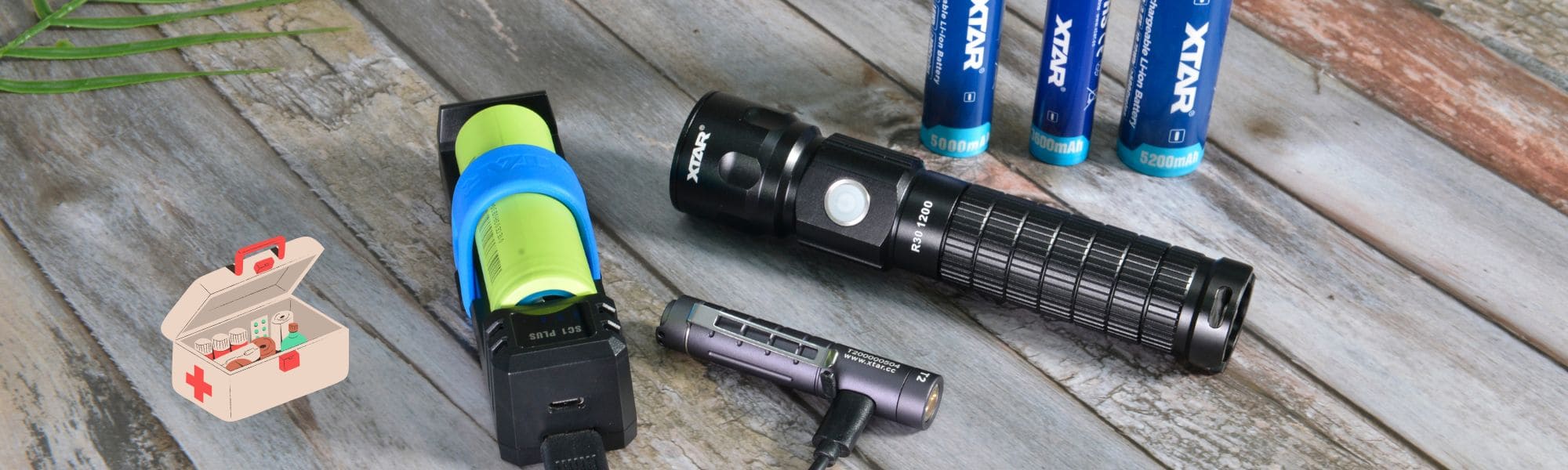
Remember, the key to successful off-grid living is preparation and planning. Don't be caught off-grid without these essential items.
Financial Considerations
Okay, folks, let's talk about money. Living off the grid may seem like a cheap option, but there are some financial considerations to keep in mind.Costs of living off-grid
The upfront cost of setting up your off-grid homestead can be substantial, depending on the type of dwelling and energy systems you choose. But the good news is that in the long run, you can save some serious cash by living off the grid.For starters, you won't have to pay those pesky utility bills. No more gas or electricity bills to worry about. Say goodbye to water bills, too. And since you'll be growing your own food, you'll save money on groceries.
Here's a table that shows the estimated costs of some common off-grid projects:
| Project | Low | Average | High |
| Land ($/5 acres) | $5,000 | $25,000 | $50,000 |
| Housing | $25,000 | $75,000 | $150,000 |
| Solar power system (5 kW) | $15,000 | $30,000 | $50,000 |
| Solar generator (1.5 kW) | $2,000 | $3,500 | $5,000 |
| Composting toilet | $500 | $1,000 | $2,000 |
| Rainwater collection system | $1,000 | $2,000 | $4,000 |
| Greenhouse | $2,000 | $5,000 | $10,000 |
| Livestock fencing | $1,000 | $3,000 | $6,000 |
| Root cellar | $1,000 | $2,500 | $5,000 |
| Total cost | $53,500 | $147,000 | $282,000 |
Note that the costs listed above are based on calculations done several years ago for off-grid living in New England and may vary depending on location and current market conditions. It's recommended to have at least 5 acres of land for an off-grid homestead, but it ultimately depends on your specific needs and plans.
And don't forget about the ongoing maintenance costs. Your solar panels and other energy systems will require regular upkeep, and you'll need to replace batteries every few years. You'll also need to factor in the cost of food and supplies for your animals, as well as any medical expenses that may arise.
Income opportunities
Living off the grid doesn't mean you have to be completely self-sufficient. There are plenty of income opportunities available to you, depending on your skills and interests.For example, if you have a green thumb, you could sell your excess produce at farmers' markets or to local restaurants. You could also sell eggs from your chickens or honey from your bees. If you're handy with tools, you could offer your services to neighbors who need repairs or construction work done. You can even host guests on your land for camping or retreats.
And let's not forget about the Internet! With the rise of remote work, you can now work from anywhere in the world. So if you have a job that allows you to work remotely, you can continue to earn a steady income while living off the grid.
Just remember to balance work with your off-grid lifestyle, so you don't end up feeling like you're right back in the rat race.
Off-Grid Communities
Ah, off-grid communities! This is a topic close to my heart. When I first started living off-grid, I was pretty much on my own. It was just me, my wife, and our trusty dog. But as time went on, we started to crave the company of other like-minded individuals.Finding like-minded people
Finding like-minded people in the off-grid community can be a bit of a challenge, especially if you're living in a remote area. But let me tell you, it's worth the effort. There's something special about connecting with people who share your values and your way of life.One great way to find like-minded people is to join an intentional community. These are groups of people who have come together specifically to live off-grid and create a self-sustaining lifestyle. There are intentional communities all over the world, and each one is unique in its own way.
Joining an intentional community
Joining an intentional community can be a great way to find support and camaraderie, as well as share resources and knowledge. But it's important to remember that community living isn't all sunshine and rainbows. There can be challenges, too.Living in an off-grid community means you'll be sharing space, resources, and decision-making power with others. It can be a bit like living in a big family. There will be disagreements and conflicts, just like in any other group of people. But with open communication, mutual respect, and a willingness to work together, the benefits of community living can far outweigh the challenges.
So if you're thinking about joining an off-grid community, do your research, ask questions, and make sure you find a group of people who share your values and your vision for a sustainable future. Who knows, you might just find your tribe.
Conclusion
Well, it looks like we've reached the end of our off-grid journey. Now, if you're considering off-grid living, I encourage you to go for it! Sure, there may be challenges and setbacks along the way, but trust me, the rewards are well worth the effort.Just remember to do your research, start small, and always be open to learning and adapting as you go. With a little grit and determination, you'll be amazed at what you can accomplish off the grid.
Thanks for joining me on this adventure, and happy off-gridding!
Leave a Reply
Your email address will not be published.Required fields are marked. *